Meal guide · Updated July 22, 2026
Keto Meal Ideas for Beginners: Easy Ways to Start
The keto diet centers on meals that are low in carbohydrates and higher in fat and protein, which usually means building plates around eggs, meat, fish, non-starchy vegetables, and healthy fats like olive oil, avocado, or cheese. If you are just starting out, the easiest approach is to keep familiar meals but swap high-carb parts for keto-friendly ones — cauliflower rice instead of rice, lettuce instead of a bun, or more vegetables instead of pasta.
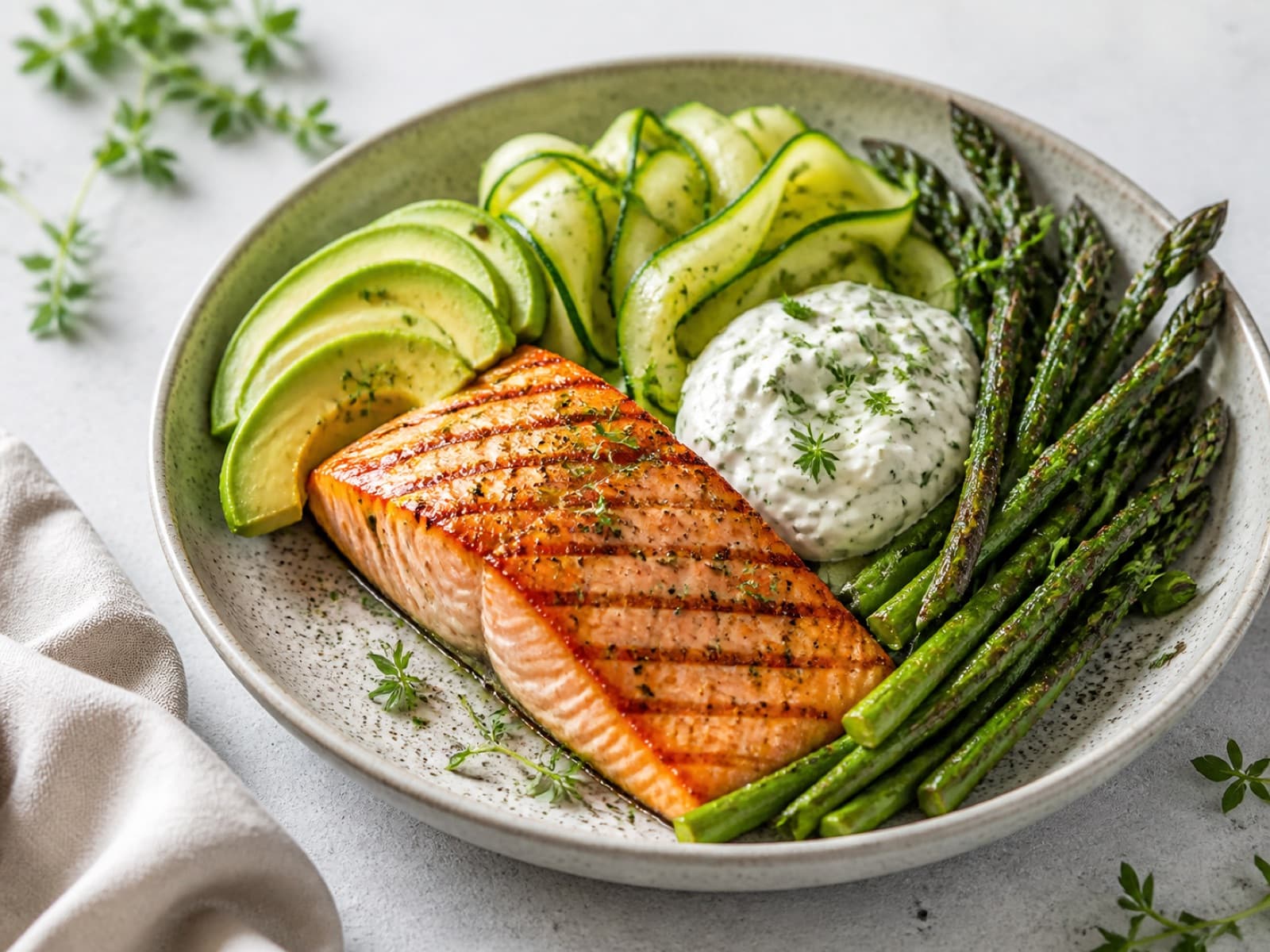
What Counts as a Keto Meal?
A keto meal generally keeps carbohydrates low — many people aim for under 20–50 grams per day total, though the right number varies by person — while getting most calories from fat and a moderate amount from protein. In practice, that means a plate built around a protein source, a fat source, and non-starchy vegetables, with grains, most fruits, and added sugar left out.
Keto Breakfast Ideas
Eggs are the easiest starting point: scramble them with cheese and spinach, or make a vegetable-and-cheese omelet. Other options include full-fat Greek yogurt with a small handful of berries, or a breakfast skillet with eggs, sausage, and peppers.
Keto Lunch Ideas
A large salad with grilled chicken, tuna, or hard-boiled eggs, topped with cheese, olives, and an oil-based dressing, is a quick keto-friendly lunch. Lettuce-wrapped sandwiches are another easy swap that requires a different wrapper rather than a completely new recipe.
Keto Dinner Ideas
A protein such as chicken, salmon, beef, or pork with roasted or sautéed non-starchy vegetables and a fat like butter or olive oil is naturally low-carb without much adjustment. The main change is usually replacing rice, pasta, or bread sides with extra vegetables.
Keto Snack Ideas
Cheese, nuts, olives, hard-boiled eggs, and vegetables with a full-fat dip such as guacamole or ranch are common keto snacks that do not require much preparation.
Easy Keto Swaps for Familiar Meals
- Cauliflower rice instead of white or brown rice.
- Zucchini noodles instead of pasta.
- Lettuce wraps instead of bread or tortillas.
- Almond or coconut flour instead of wheat flour in small batches of baked goods.
- Full-fat dairy instead of low-fat versions when a low-fat product adds sugar for flavor.
Common Mistakes Beginners Make on Keto
- Not eating enough vegetables. It is easy to focus on meat and cheese and forget the non-starchy vegetables that add fiber and nutrients.
- Relying on packaged keto snacks. Many are highly processed even if they are technically low-carb, so whole foods are usually the better everyday choice.
- Missing hidden carbs. Sauces, dressings, and marinades can carry more sugar and carbohydrates than expected, so checking labels helps avoid surprises.
- Not drinking enough water or replacing electrolytes, which can contribute to the low energy some people feel early on.
- Expecting every meal to look different. Repeating a handful of go-to meals is a realistic, sustainable approach for many beginners.
A Simple Way to Start
Rather than overhauling every meal on day one, start by adjusting dinner first, since it is usually the easiest meal to make keto-friendly without a big mental shift. Once that feels normal, move on to lunch and breakfast. As with any significant change to how you eat, it is worth checking in with a healthcare provider first, especially if you are managing an existing health condition.
A Sample Day of Keto Meals
Breakfast might be scrambled eggs with cheese and spinach; lunch, a chicken salad with olive oil dressing and avocado; dinner, baked salmon with roasted asparagus and butter; and a snack of cheese or a handful of nuts if needed. None of these require special keto products — they use ordinary grocery ingredients arranged around protein, fat, and non-starchy vegetables.
Eating Keto When You Are Not Cooking at Home
Restaurants and takeout can still work on keto with a few adjustments: swap fries or rice for a side salad or extra vegetables, choose grilled over breaded proteins, and ask for sauces on the side. Grill-focused restaurants, steakhouses, and fast-casual salad or bowl chains often have at least one option that fits without much modification.
FAQs
What can I eat for dinner on keto?
A protein like chicken, beef, salmon, or pork paired with non-starchy vegetables such as broccoli, zucchini, spinach, or peppers and a fat source like olive oil, butter, or cheese covers most keto dinners.
What foods should beginners avoid on keto?
Bread, rice, pasta, potatoes, most fruit, sugar, and starchy vegetables like corn are the main foods to limit because they are major sources of carbohydrates in a typical diet.
Do I need to count carbs every day on keto?
Many beginners track carbs closely at first to understand how much they are eating, though some people maintain a lower-carb pattern with less tracking once they know which foods fit.
What's an easy first keto meal to try?
A protein with roasted vegetables and a fat like olive oil or butter is one of the simplest starting points because it requires no special ingredients or substitutions.
Can I eat fruit on keto?
Small portions of lower-carb fruits like berries can fit into some keto approaches, but most fruit is higher in natural sugar and carbohydrates than keto typically allows in larger amounts.
Is keto the same as low-carb?
Keto is generally a stricter version of low-carb eating, aiming for a higher percentage of calories from fat than most general low-carb approaches.
Conclusion
Keto meal ideas do not need to be complicated. Most beginners do best by keeping familiar meals and swapping high-carb parts for keto-friendly versions, starting with dinner. If you are stuck on what to make tonight, try WhatToEatNow for a meal suggestion based on how you are feeling and what time you have.
Pick a mood and get one meal suggestion now.